
Misdemeanor vs. Felony in South Carolina

When someone is arrested in South Carolina, one of the first things they want to know is simple: is this a misdemeanor or a felony? The label matters, but it is not the whole story. South Carolina’s classification system has a few quirks that surprise people, especially the fact that some misdemeanors here carry more prison time than felonies do in other states.
How South Carolina Classifies Crimes
Under S.C. Code § 16-1-10 and § 16-1-20, South Carolina sorts offenses into two broad categories, felonies and misdemeanors, and then into further classes based on the maximum sentence involved.
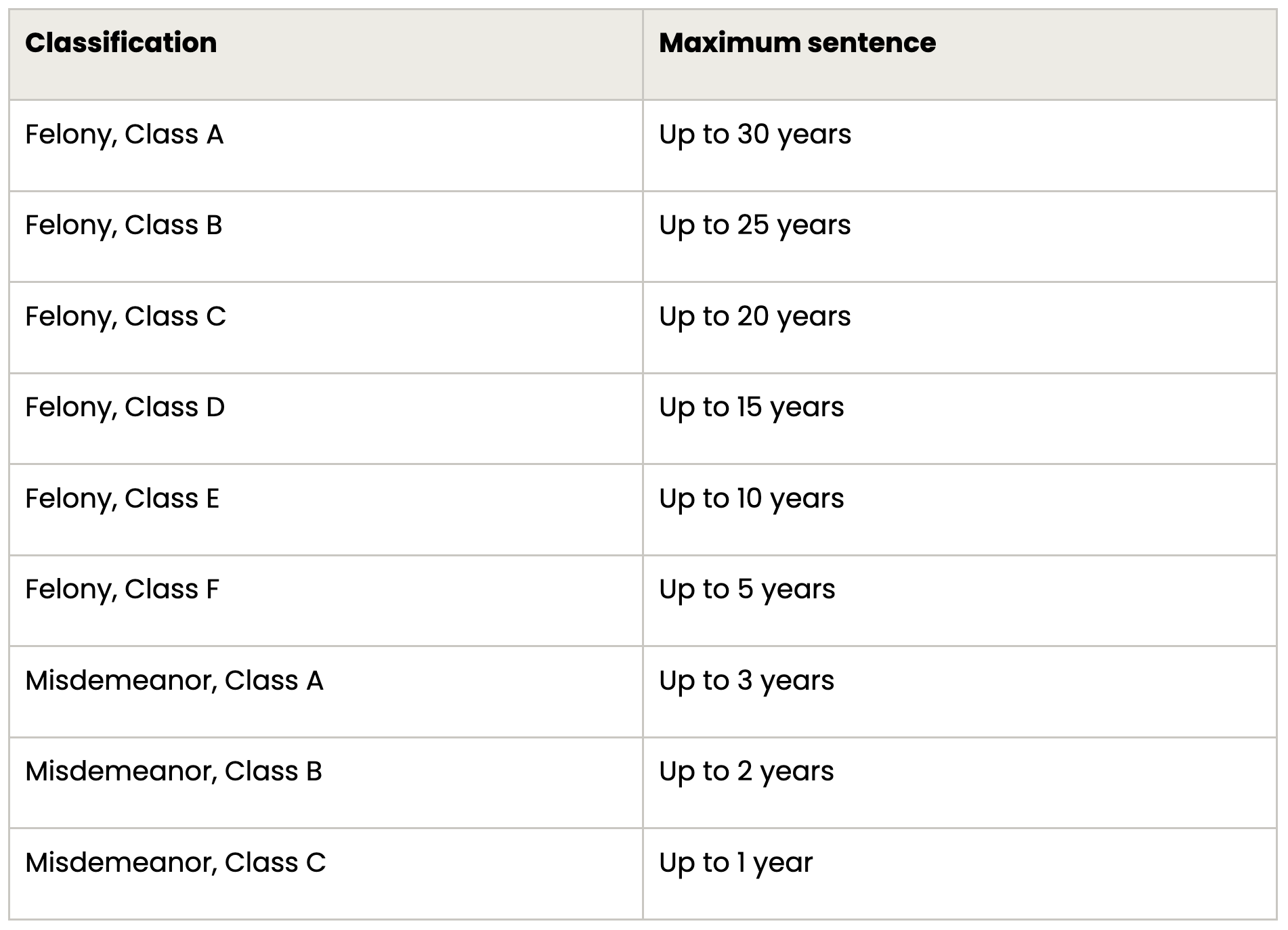
Some offenses are “exempt” from this classification system entirely, meaning the statute defining the crime spells out its own specific penalty rather than assigning it to one of these classes.
The Rule Most People Don’t Expect
In many states, the line between a misdemeanor and a felony is whether the sentence can exceed one year. South Carolina does not draw the line there. A Class A misdemeanor here can carry up to three years in jail, longer than the maximum sentence for some felonies in other jurisdictions.
Which Court Handles the Case
Magistrate’s court and municipal court generally handle lower-level misdemeanors and traffic offenses.
General sessions court handles felonies and more serious misdemeanors, with a right to a jury trial.
Some offenses, like a first offense for passing a stopped school bus, can be tried in magistrate’s court even though the underlying statute is part of the traffic code.
Why the Label Still Matters, Even if Sentencing Doesn’t Always Follow It.
A felony conviction can affect your right to possess a firearm.
Felony convictions and certain misdemeanors show up on background checks and can affect employment, housing, and professional licensing.
Some misdemeanor convictions in South Carolina, particularly Class A misdemeanors, still carry sentences long enough to seriously disrupt a person’s job, custody arrangements, or immigration status.
Expungement eligibility and waiting periods often depend on whether a conviction is classified as a felony or misdemeanor, and how many prior convictions someone has.
Frequently Asked Questions
Is a DUI a misdemeanor or a felony in South Carolina?
A standard DUI charge is generally a misdemeanor, although the penalties increase significantly for subsequent offenses. A DUI involving great bodily injury or death can be charged as felony DUI under South Carolina law.
Can a misdemeanor become a felony later?
The classification is set by the statute for that specific offense, but prior convictions can sometimes elevate a later charge to felony status, or trigger enhanced penalties. This varies significantly by offense.
If I’m only facing a misdemeanor, do I still need a lawyer?
Given that some Class A misdemeanors in South Carolina carry up to three years in jail, plus significant collateral consequences involving employment, professional licensing, background checks, and other areas of a person's life it is worth having a defense attorney review the charge before deciding how to proceed.
The Bottom Line
The felony versus misdemeanor label is a useful starting point, but in South Carolina it does not tell you everything about what you are actually facing. The real question is what the specific statute for your charge allows as a sentence, and what a conviction, of either kind, could mean for your record, your job, and your rights going forward.
If you or someone you know has been charged with a crime in the Summerville area, Stegall Law can review the charge, explain what classification actually applies, and walk through the options for defending it.
Learn more about Stegall Law’s criminal defense services in Summerville and throughout Berkeley, Charleston, and Dorchester counties.