

SUMMERVILLE CRIMINAL DEFENSE ATTORNEY
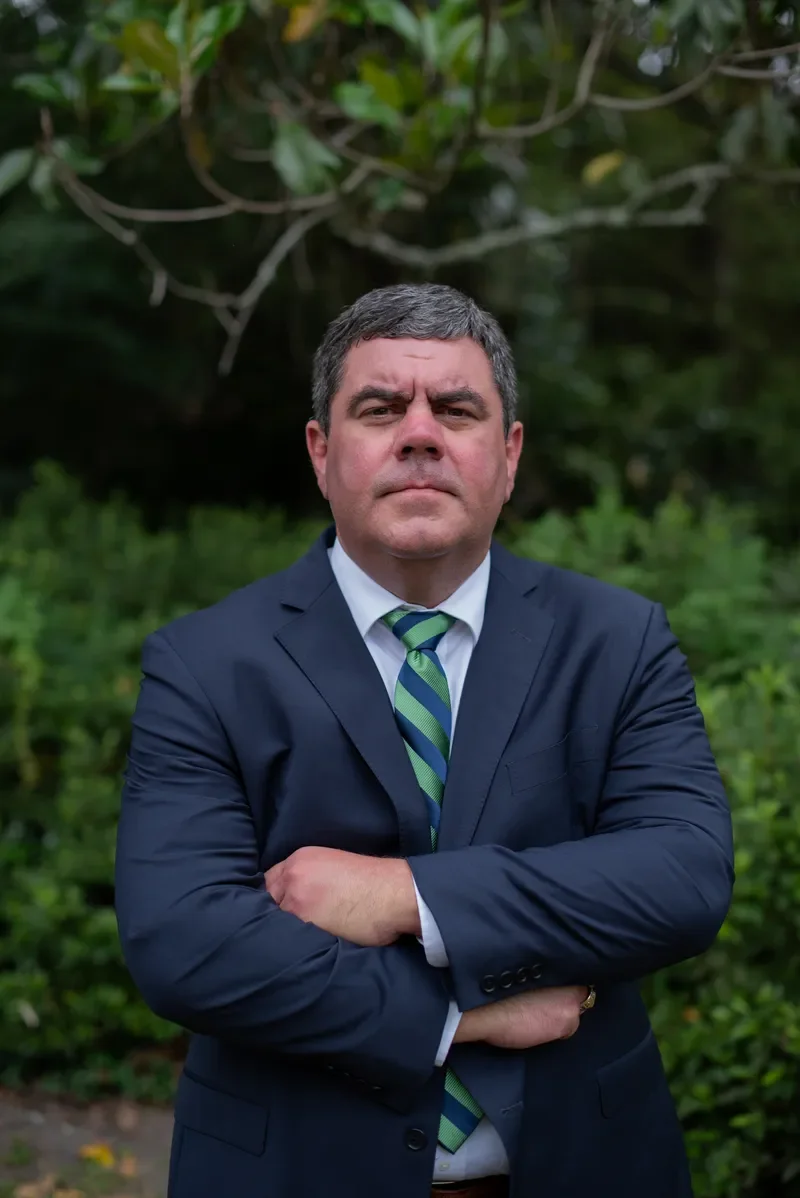
Facing a criminal charge can put your freedom, reputation, and future at stake. Former prosecutor Bart J. Stegall represents people facing misdemeanors and serious felonies in Summerville and throughout Berkeley, Charleston, and Dorchester counties.
Drawing on his experience prosecuting cases involving murder, armed robbery, kidnapping, and drug trafficking, Bart carefully examines the evidence and develops a defense tailored to your circumstances. You receive clear explanations, thorough preparation, and personal attention throughout your case.

Criminal Defense Services
• Misdemeanor and Felony Defense
• Drug Charges
• Assault & Battery
• Violent Offenses
• Expungements
Criminal Defense FAQs
Do I need a lawyer for a misdemeanor charge?
Even misdemeanor charges can have serious consequences, including jail time, fines, probation, license suspension, or a permanent criminal record. An attorney can help protect your rights, negotiate with prosecutors, and work toward the best possible outcome.
What should I do if I am arrested?
Remain calm, do not resist, and clearly state that you wish to remain silent and speak with an attorney. Avoid discussing the alleged offense with law enforcement or on recorded jail calls. Contact a criminal defense lawyer as soon as possible.
Expect to attend scheduled court appearances unless your attorney confirms that your appearance has been excused by the court. Requirements depend on the charge, the court, and the type of proceeding. Hiring an attorney does not automatically excuse you from attending.
Will I have to go to court?
Can criminal charges be dismissed?
Some charges may be reduced or dismissed depending on the facts of the case, the available evidence, and your prior record. Every case is different, and outcomes cannot be guaranteed.
What is the difference between a felony and a misdemeanor?
South Carolina law classifies offenses as felonies or misdemeanors, but the label alone does not tell you the possible sentence. A Class A misdemeanor can carry up to three years in prison. The specific offense, applicable statute, and any prior convictions determine the potential penalties.
How long will my criminal case take?
The timeline depends on the complexity of the case, court schedules, and whether the matter is resolved through negotiation or trial. Some cases resolve quickly, while others can take several months or longer.
Depending on the charge and your criminal history, alternatives such as probation, diversion programs, treatment programs, or reduced charges may be available.
Can I avoid jail time?
Will a conviction stay on my record forever?
Many convictions remain on your record unless they qualify for expungement under a specific South Carolina law. Eligibility depends on the offense, your criminal history, and applicable waiting periods. An attorney can review your record to determine whether relief is available.
What happens at a bond hearing?
A bond hearing addresses whether you may be released while your case is pending and what conditions apply. The judge considers factors such as your likelihood of appearing in court and potential danger to the community. It is not a trial to determine guilt, and some charges require bond to be addressed by a circuit court judge.
Should I talk to the police if I am innocent?
Even innocent statements can sometimes be misunderstood or used against you. It is generally best to speak with an attorney before answering questions from law enforcement.