
Halloween Pedestrian Accidents in South Carolina: Who’s Responsible When a Child is Hit?
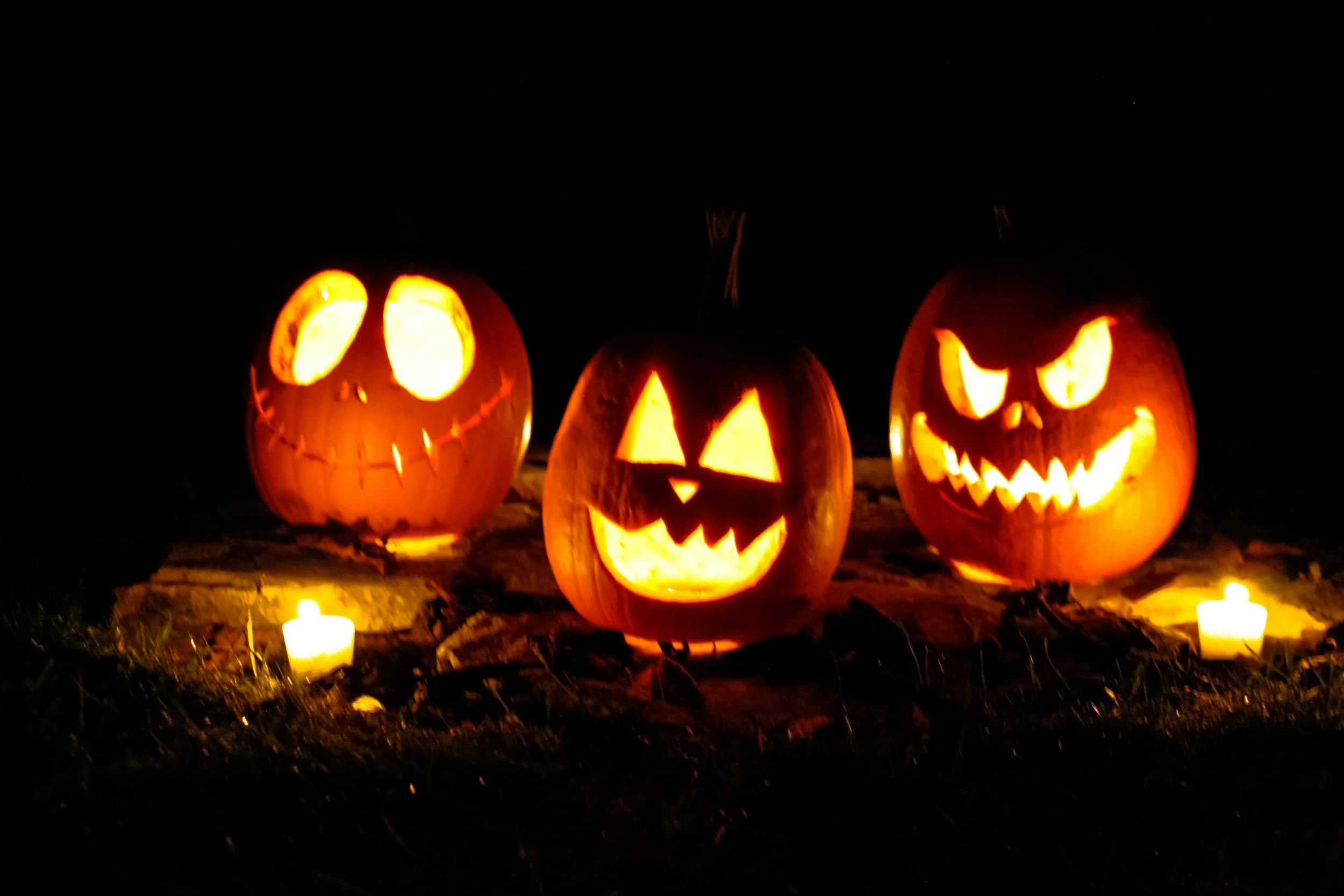
On Halloween night, neighborhoods across the Lowcountry fill with superheroes, princesses, and pint-sized monsters going door to door. It is one of the best nights of the year for families. It is also one of the most dangerous for young pedestrians.
A study published in JAMA Pediatrics looked at 42 years of national traffic fatality data and found that the risk of a pedestrian death was 43 percent higher on Halloween evening than on comparable evenings before and after. For children ages four to eight, the risk was ten times higher, and the danger peaked around 6 p.m., right when trick-or-treating gets underway. Dark costumes, excited kids darting between parked cars, and drivers who are not expecting them all play a part.
When a child is hit, parents are left with frightening questions about their child’s recovery and, eventually, about who is responsible. South Carolina law places duties on both drivers and pedestrians, and how those duties apply depends on what actually happened.
What South Carolina Law Requires of Drivers
South Carolina’s most important rule for drivers around pedestrians is found in S.C. Code § 56-5-3230. It requires every driver to exercise due care to avoid colliding with any pedestrian, to sound the horn when necessary, and to “exercise proper precaution upon observing any child.” That last phrase matters on Halloween. When a driver can see children nearby, the law expects more caution, not less, because children do not always behave predictably.
Drivers also have specific obligations at crosswalks. Under § 56-5-3130, when there is no working traffic signal, a driver must yield to a pedestrian crossing within a crosswalk, slowing down or stopping if necessary. The same statute prohibits passing a vehicle that has stopped at a crosswalk to let someone cross. That situation comes up often on Halloween, when one driver stops for a group of children and the car behind goes around it without seeing why.
In practical terms, a driver moving through a neighborhood on Halloween evening should be driving slowly, watching between parked cars, using headlights, and putting the phone away. A driver who is speeding, distracted, or impaired in a residential area full of trick-or-treaters is likely to have a hard time showing they exercised due care.
What the Law Expects of Pedestrians
Pedestrians have responsibilities too. Under § 56-5-3160, when a sidewalk is available and practical to use, pedestrians are not supposed to walk in the roadway. Where there is no sidewalk, they should walk on the shoulder as far from the road as practicable. Under § 56-5-3150, a pedestrian who crosses somewhere other than a marked crosswalk or an intersection must yield the right-of-way to vehicles. And § 56-5-3130 prohibits a pedestrian from suddenly leaving the curb and walking or running into the path of a vehicle so close that the driver cannot react.
Those rules do not give drivers permission to stop paying attention. A driver’s duty of due care applies even when a pedestrian is outside a crosswalk. But a pedestrian’s choices can affect how responsibility is divided after an accident.
How South Carolina Judges a Child’s Conduct
One of the most common questions after a child is hit is whether the child can be blamed. South Carolina does not hold young children to the same standard as adults. In Standard v. Shine (1982), the South Carolina Supreme Court held that a child’s conduct is measured against what would be expected of a child of similar age, intelligence, and experience under similar circumstances.
In other words, the question is not whether an adult would have darted across the street, but whether a reasonable child of that age might have. A six-year-old chasing a friend to the next house is judged very differently from a teenager who walks into traffic while looking at a phone. The younger the child, the harder it generally becomes to place meaningful fault on them.
When Fault is Shared
If a pedestrian, child or adult, is found partly responsible, South Carolina’s modified comparative negligence rule applies. An injured person can still recover as long as their share of fault is 50 percent or less, and their recovery is reduced by their percentage of fault. We explain how that works in more detail in our post on South Carolina’s comparative negligence rule.
Insurance companies frequently raise comparative fault in pedestrian cases, pointing to dark costumes, crossing mid-block, or a parent who was a few steps behind. Those arguments are not automatically correct. The driver’s speed, attention, lighting, and whether the driver should have anticipated children in the area all matter just as much.
Impaired Drivers Raise the Stakes
Halloween parties mean more impaired drivers on the road, often during the same hours children are out. A driver who causes great bodily injury or death while under the influence can face a felony DUI charge under S.C. Code § 56-5-2945, in addition to civil liability for the harm caused. If a driver leaves the scene after hitting a pedestrian, South Carolina law separately requires drivers involved in injury accidents to stop and render aid, and failing to do so carries its own serious penalties.
What to Do If Your Child Is Hit
The first priority is always medical care. Call 911, and have your child evaluated even if the injuries seem minor, because head injuries and internal injuries are not always obvious right away. Make sure law enforcement comes to the scene and prepares a report.
If you are able, get the driver’s name, insurance information, and license plate number, along with the names and phone numbers of anyone who saw what happened. Photos of the street, the lighting, any crosswalk, and your child’s costume can become important later, especially if the insurer argues your child was hard to see. Neighbors’ doorbell and security cameras often capture these accidents, but that footage may be overwritten within days, so ask about it quickly.
Be careful about what you say to the driver’s insurance company. Adjusters may call soon after the accident and ask for a recorded statement. It is reasonable to tell them you will get back to them after you have spoken with an attorney. Your family’s own auto insurance policy may also provide coverage, including uninsured or underinsured motorist coverage, even though your child was walking rather than riding in a car.
Finally, do not wait too long to get advice. South Carolina generally allows three years to bring a personal injury claim, and special rules can extend some deadlines for children. Those rules are complicated, a parent’s own claims for medical bills may follow different timelines, and evidence like video footage disappears much faster than any legal deadline.
Frequently Asked Questions
Is a driver automatically at fault if they hit a child?
No. Fault depends on the facts, including the driver’s speed, attention, and lighting conditions, and what the child was doing. But South Carolina law specifically requires drivers to take proper precautions when they see children, which places a meaningful responsibility on drivers in neighborhoods on Halloween.
Can my child be blamed for running into the street?
A child’s conduct can be considered, but it is judged by what is reasonable for a child of similar age, intelligence, and experience, not by an adult standard. Young children are rarely held to the level of caution expected of adults.
What if my child was not in a crosswalk?
Crossing outside a crosswalk can affect how fault is divided, but it does not erase a driver’s duty to exercise due care. Many Halloween accidents happen in neighborhoods without marked crosswalks at all.
What if the driver did not have insurance or drove away?
Your own auto insurance policy may include uninsured motorist coverage that can apply when a family member is hit while walking. Report a hit-and-run to law enforcement right away and keep a record of the report number.
The Bottom Line
Halloween should be remembered for costumes and candy, not emergency rooms. Drivers can help by slowing down, putting phones away, and watching for children who may not be watching for them. Parents can help by choosing bright or reflective costumes, carrying flashlights, using sidewalks, and staying close to younger children.
When an accident does happen, South Carolina law looks carefully at the conduct of both the driver and the pedestrian, and it does not judge children by adult standards.
Stegall Law represents injured people and families throughout the South Carolina Lowcountry, including Dorchester, Berkeley, and Charleston Counties. If your child or another family member was hurt by a driver while walking, contact Stegall Law to talk through what happened and what your options are.
From our firm to your family, have a safe and happy Halloween.
Disclaimer: This article is for general informational purposes only and is not legal advice. Every case is different, and reading this article does not create an attorney-client relationship. If you have questions about your specific situation, consult a qualified South Carolina attorney.
Sources
Staples, Yip, and Redelmeier, “Pedestrian Fatalities Associated With Halloween in the United States,” JAMA Pediatrics (2019): https://pmc.ncbi.nlm.nih.gov/articles/PMC6583441/
S.C. Code § 56-5-3230 (driver’s duty of due care and precaution around children): https://law.justia.com/codes/south-carolina/title-56/chapter-5/section-56-5-3230/
S.C. Code §§ 56-5-3130, 56-5-3150, and 56-5-3160 (crosswalks, crossing elsewhere, walking along roadways): https://www.scstatehouse.gov/code/t56c005.php
South Carolina Department of Public Safety, pedestrian laws summary: https://scdps.sc.gov/DrivingInSC/pedestrian
S.C. Code § 56-5-1210 (duty to stop at accidents involving injury) and § 56-5-2945 (felony DUI): https://www.scstatehouse.gov/code/t56c005.php
Standard v. Shine, 278 S.C. 337, 295 S.E.2d 786 (1982) (standard of care for children): https://law.justia.com/cases/south-carolina/supreme-court/1982/21792-1.html
S.C. Code § 15-3-40 (extension of limitations periods for minors): https://www.scstatehouse.gov/code/t15c003.php