
Arrested in South Carolina?
Here's What Happens at Your First Court Appearance
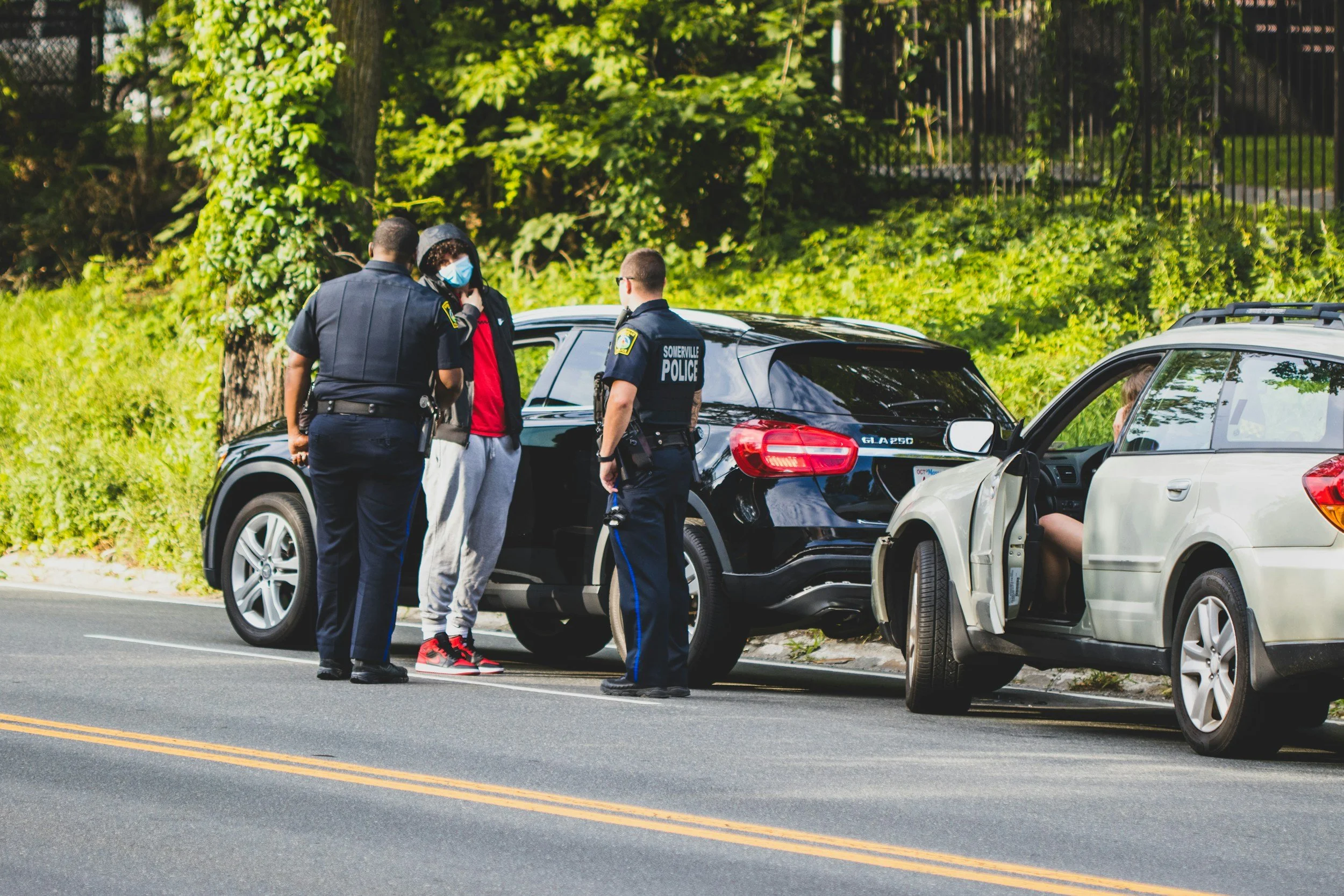
A late-night phone call that a loved one has been arrested can be overwhelming. Many people assume the next step is a trial, but that's not what happens. In almost every South Carolina criminal case, the first court proceeding is a bond hearing — and what happens there can significantly affect the rest of the case.
What Is a Bond Hearing?
South Carolina law requires that anyone charged with a bailable offense receive a bond hearing within 24 hours of arrest, and in counties like Charleston, these hearings happen multiple times a day, seven days a week. At this hearing, a magistrate judge reads the formal charges against you, advises you of your rights, and decides on bond.
How Does a Judge Decide Bond?
The judge considers whether you're likely to appear for future court dates and whether releasing you would present a danger to the community. The amount and type of bond determine whether you'll be able to return home while your case is pending, or remain in jail until another hearing. In many cases, South Carolina law allows courts to consider releasing defendants on a personal recognizance (PR) bond rather than requiring cash. Whether that happens depends on the specific facts of the case, the defendant's criminal history, and the court's assessment of public safety and risk of nonappearance. Having an attorney present at this hearing matters — your lawyer can speak to your ties to the community, employment, and family background, all of which can influence a lower bond.
Which Cases Require a Circuit Court Bond Hearing?
Some of South Carolina's most serious charges — those carrying potential life imprisonment or the death penalty — cannot have bond set by a magistrate at all. These cases require a circuit court judge, and getting that hearing scheduled can take weeks, sometimes requiring your attorney to formally file a Motion to Set Bond to move things along.
What Is an Initial Appearance?
After bond is addressed, many South Carolina counties schedule what's called an Initial Appearance. This isn't a hearing in front of a judge — it's typically a check-in with the solicitor's office (the prosecutor) to confirm representation status. In many jurisdictions, once an attorney has filed a notice or letter of representation, your lawyer may be able to handle certain procedural matters on your behalf. Whether you must personally appear depends on the court and the specific circumstances of your case.
Why Hiring a Lawyer Early Matters
What should you do before the bond hearing? If possible, have a family member contact an attorney immediately. Information about your employment, military service, family responsibilities, and community ties can help your attorney present the strongest possible argument for a reasonable bond. At Stegall Law, we understand that an arrest is often the most stressful day in a person's life. Bart Stegall brings a unique vantage point to every case, having served as a prosecutor with the Ninth Circuit and Thirteenth Circuit Solicitor's Offices, as a Judge Advocate with the South Carolina National Guard, and currently as Associate Municipal Judge for the Town of Summerville. That combination of prosecution, military justice, and judicial experience means we understand how the other side — and the court — will view your case from the very first hearing.
Frequently Asked Questions
Can I be released without paying money? In some cases, courts allow release on personal recognizance (PR) bond with no cash required, though this depends on the charge and your background.
Can my family attend the bond hearing? Bond hearings are generally open proceedings, and family presence can sometimes support your attorney's argument for a lower bond.
Can my bond be changed later? Yes. Your attorney can file a motion to reconsider bond, and a circuit court judge can modify the amount or conditions previously set by a magistrate.
What if I miss my bond hearing or a later court date? Missing a scheduled court date can result in a bench warrant, bond revocation, and a separate criminal charge of failure to appear, which carries its own fines and potential jail time under South Carolina law.
Do I need a lawyer before my first court appearance? You're not required to have one, but early representation — ideally before the bond hearing — gives your attorney the chance to advocate for favorable release conditions from the very start.
An arrest doesn't have to define your future. Whether you're facing misdemeanor charges or a serious felony, the decisions made during the first 24 hours can have lasting consequences. Stegall Law is committed to protecting your rights from the very beginning of your case. If you or a loved one has been arrested in Dorchester, Berkeley, Charleston, or the surrounding Lowcountry, contact us today to discuss your options.
Learn more about Stegall Law’s criminal defense services in Summerville and throughout Berkeley, Charleston, and Dorchester counties.
Disclaimer: This article is for general informational purposes only and is not legal advice. Every accident is different, and reading this article does not create an attorney-client relationship. If you have questions about your specific situation, consult a qualified South Carolina attorney.