
Do You Need a Will in South Carolina?
7 Common Myths Debunked
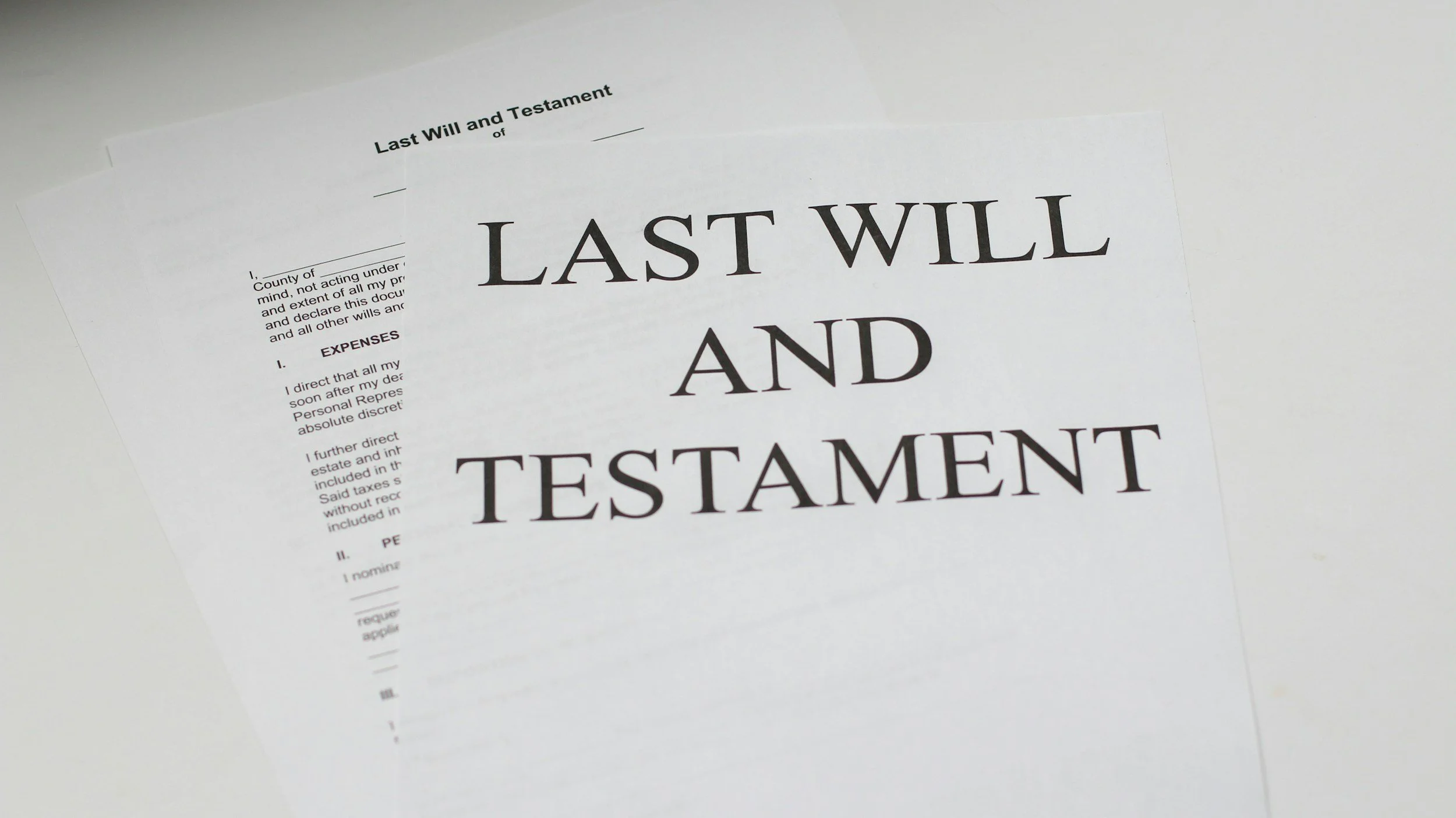
Most people assume estate planning is something to worry about "someday" — after they're older, wealthier, or have more figured out. In reality, dying without a will in South Carolina hands control of your family's future to a set of rigid state rules, not your personal wishes. Here's what every South Carolina adult, from Summerville to the rest of the Lowcountry, should know before assuming a will can wait.
Myth: Only Wealthy People Need a Will
A will isn't just about the size of your estate — it's about making sure your wishes are followed after death, including who receives your property, who's appointed to handle your estate, and who's nominated to raise your minor children if needed. Without one, South Carolina's default rules decide these questions for you, regardless of what you actually would have wanted.
Myth: My Spouse Automatically Gets Everything
This is one of the most common — and costly — misconceptions, though the actual rule depends on whether you have children. Under South Carolina's Probate Code, if you die without a will and have no children, your surviving spouse inherits your entire intestate estate. If you do have children, the estate splits: your spouse receives one-half, and your children receive the remaining half. Parents only inherit under intestacy if you have no surviving spouse and no children.
What Happens If You Die Without a Will in South Carolina?
Dying without a will is called dying "intestate," meaning the South Carolina Probate Court — not your family — determines how your assets are divided under Title 62 of the SC Probate Code. The court appoints a personal representative to manage your estate, and distribution follows a fixed hierarchy: spouse and children first, then parents, then siblings, then more distant relatives. Stepchildren and long-term unmarried partners aren't protected at all under these rules, since intestacy law only recognizes legally defined relationships.
A Will Doesn't Automatically Control Everything You Own
A common mistake is assuming that having a will means every asset passes according to that document. Beneficiary designations and ownership arrangements often control what happens to property before the will ever becomes relevant — life insurance, retirement accounts, and jointly-owned property with rights of survivorship pass outside the will entirely, will or no will. This is a major source of confusion and disputes among families after a death.
Myth: My Family Knows What I Want, So I Don't Need It in Writing
Verbal wishes carry no legal weight in probate court. Even when family members agree on what a loved one "would have wanted," the court is bound to follow South Carolina's intestacy statute, not informal understandings among relatives.
Myth: A Power of Attorney Covers This
A power of attorney only works while you're alive — the moment you pass away, even a durable power of attorney becomes void. It has no effect on how your estate is distributed after death, which is why many complete estate plans include both a durable power of attorney and a will.
Myth: Having a Will Means My Estate Skips Probate
A common misunderstanding is that a will avoids probate altogether — it doesn't. A will simply directs how your assets should be distributed once the probate process happens; it doesn't bypass the court process itself.
What Happens During Probate in South Carolina?
Many people searching "do I need a will" are really worried about probate itself. In South Carolina, probate generally involves filing the will (or petitioning for administration if there's no will) with the county Probate Court, formally appointing a personal representative, taking inventory of the decedent's assets, paying outstanding debts and taxes, and finally distributing what remains to the heirs or beneficiaries. The process can take months, and its complexity often depends on how clearly the estate plan was prepared in advance.
Does Every Estate Have to Go Through Full Probate?
Not necessarily. South Carolina offers shortcuts for smaller estates: a Small Estate Affidavit procedure for estates valued under a statutory threshold, which can allow heirs to collect assets without formal administration, and summary administration for somewhat larger estates that still qualify for a simplified process. Whether an estate qualifies depends on its size and composition, so it's worth discussing with an attorney before assuming a full probate process is required.
What Does It Take to Make a Will Legally Valid in South Carolina?
South Carolina's requirements are more straightforward than many people expect. You must be at least 18 and of sound mind, the will must be in writing (typed or printed — South Carolina doesn't recognize handwritten holographic wills), and it must be signed by you and witnessed by two competent individuals who watch you sign. Beneficiaries are legally permitted to serve as witnesses in South Carolina, but doing so can reduce or void that witness's inheritance unless two other disinterested witnesses also sign — using independent witnesses is generally the safer practice to avoid future challenges. Notarization isn't required to make a will valid, but you can make it "self-proving" with a notarized affidavit, which can simplify probate later by avoiding the need for witnesses to testify in court.
Frequently Asked Questions
Do I need a lawyer to write a will in South Carolina? No, South Carolina law doesn't require an attorney to draft a valid will, but errors in execution — like an insufficient number of witnesses — can cause a will to be challenged or invalidated later.
What happens if my parent dies without a will in South Carolina? The estate passes under intestate succession, typically to a surviving spouse and children first, and if there's no spouse, entirely to the children; if there are no children or spouse, to surviving parents, then siblings.
Does a will avoid probate in South Carolina? No — a will directs how assets are distributed, but the estate generally still goes through the probate process; only certain small estates may qualify for simplified procedures.
What happens to my estate if I have no living relatives at all? In rare cases where no eligible relatives can be found, your estate "escheats," meaning it passes to the State of South Carolina, though courts search extensively before this happens.
Does my spouse need to sign off on my will? South Carolina law gives a surviving spouse the right to claim an "elective share" of one-third of the probate estate regardless of what the will says, though the spouse must properly exercise that right within 8 months of death or 6 months after the will is probated, whichever is later.law-journals-books.
How often should I update my will? You should revisit your will after major life events — marriage, divorce, the birth of a child, or a significant change in assets. A properly executed new will can revoke a prior will, either completely or in part.
Can a will and a power of attorney work together? Yes — a power of attorney manages your affairs while you're alive but incapacitated, while a will only takes effect after death; most complete estate plans include both.
An estate plan isn't just paperwork — it's the clearest way to make sure your family isn't left navigating South Carolina's default rules, or an unnecessarily complicated probate process, during an already difficult time. If you're ready to put a will, power of attorney, or healthcare power of attorney in place anywhere in Summerville, Goose Creek, Moncks Corner, Charleston, or the surrounding Lowcountry, contact Stegall Law today to get started.
Learn more about Stegall Law’s will preparation and estate planning services for individuals and families in Summerville and throughout the Lowcountry.
Disclaimer: This article is for general informational purposes only and is not legal advice. Every estate is different, and reading this article does not create an attorney-client relationship. If you have questions about your specific situation, consult a qualified South Carolina attorney.